
Permanent Hair Removal in North Vancouver: What to Expect


Last Updated: November 22, 2026
Quick Summary
Permanent hair removal in North Vancouver means a course of sessions that targets the hair follicle itself, not just the visible strand. Electrolysis delivers permanent hair removal, while laser hair removal delivers long-term hair reduction, so the right method depends on your hair colour, skin tone and treatment area.
- Electrolysis does not rely on pigment, so it works on blonde, red, grey and white hairs.
- Fine facial hair often needs appointments every two weeks, while larger areas stretch to longer intervals.
- Arrive with clean, product-free skin and skip caffeine and alcohol for a few hours beforehand.
- Ask whether the electrologist is certified and licensed to practice in the province.
- Request a written course estimate stating appointment length, interval and a realistic session range.
Table of Contents
- Why Permanent Hair Removal in North Vancouver Starts With the Right Method
- Electrolysis vs. Laser Hair Removal: Which Delivers Permanent Results
- Electrolysis Sessions and Results: A Realistic Timeline
- Electrolysis Aftercare: What to Do Before and After Every Appointment
- How to Choose an Electrolysis Provider on the North Shore
- Understanding the Cost of a Full Treatment Course
- Book Your Free Consultation and Start With a Patch Test
- Frequently Asked Questions
Why Permanent Hair Removal in North Vancouver Starts With the Right Method
Permanent hair removal is a treatment course designed to reduce or eliminate unwanted hair by targeting the follicle itself, not just the visible strand. At our clinic, we see clients every week who spent years cycling through waxing, threading, and shaving before realizing the method they chose was never built to last. The right method changes everything: your results, your timeline, and how much you spend over a decade.
Two treatments dominate the market, electrolysis and laser hair removal, and they work on completely different principles. Choosing between them is not a matter of preference. It comes down to your hair colour, your skin tone, and the area you want treated.
Below, we break down how each method works, what a realistic timeline looks like, and how to spot a provider who will actually deliver.
Electrolysis vs. Laser Hair Removal: Which Delivers Permanent Results
Electrolysis delivers permanent hair removal; laser hair removal delivers long-term hair reduction. That distinction matters more than any marketing claim you’ll read.
Laser technology sends targeted light energy into the follicle, where pigment absorbs it and heat disrupts growth. Because it depends on pigment, laser struggles with light hair and carries risk on deeper skin tones when the wrong device is used. Electrolysis does not rely on pigment. A fine probe is inserted into each follicle and current destroys it, one hair at a time, regardless of colour.
How Each Method Treats the Hair Follicle
Laser damages follicles during the growth phase, which is why multiple sessions are spaced weeks apart. It works best on dark hair against lighter skin. Electrolysis is the method the wider industry describes as permanent. If you want the full technical breakdown, our guide on electrolysis vs laser efficacy compares the two in depth.
Matching the Method to Your Skin Tone, Hair Colour and Treatment Area
Blonde, red, grey, and white hairs respond poorly to laser. So does fine hair on the upper lip or chin. Deeper skin tones need careful device selection with laser, and many clients in that group are better served by electrolysis from the start. If you have darker skin, read our comparison of electrolysis vs laser for dark skin before you book anything.
Electrolysis Sessions and Results: A Realistic Timeline
Expect a course of sessions, not a single appointment. Each session clears a portion of the active follicles in the treatment area, and regrowth between visits tells your electrologist how to pace the plan.
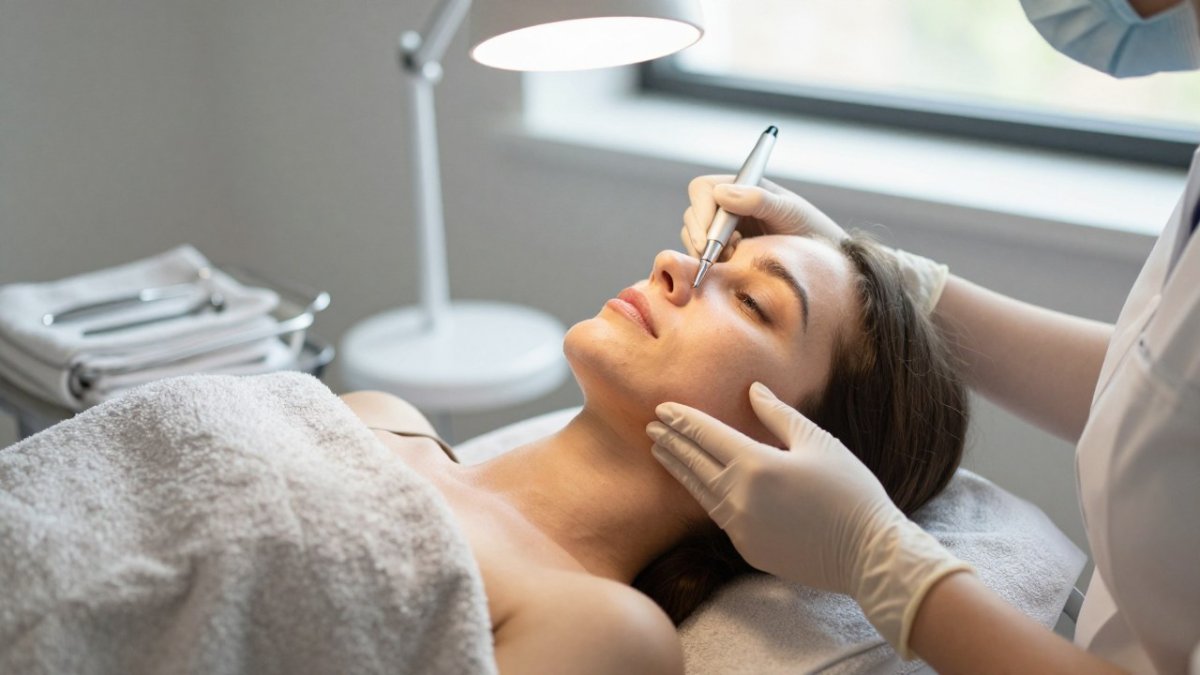
Results vary by individual, and your electrologist will set expectations at your consultation. Total sessions depend on hair density, hormone history, and the treatment area.
What Happens Between Sessions
Hair grows in cycles, so not every follicle is active on the day you visit. That is why spacing matters. Fine facial hair often needs appointments every two weeks, while larger areas stretch to longer intervals. Our team follows proper treatment intervals closely, because rushing the schedule wastes money and stretching it slows results.
Electrolysis Aftercare: What to Do Before and After Every Appointment
Aftercare is simple, and skipping it is the most common reason clients get irritated skin. Arrive with clean, product-free skin. Skip caffeine and alcohol for a few hours beforehand if you can. After treatment, keep the area clean, avoid heavy makeup for the rest of the day, and resist picking at any small crusts.
Watch out: sun exposure and harsh exfoliants on a freshly treated area can cause pigmentation changes that take months to fade. Keep treated skin covered and gentle for at least a week.
Risks, Side Effects and When to Consult a Clinician
Redness and slight swelling right after a session are normal and settle quickly. Mild pinpoint scabbing can occur. See a doctor before starting if you have a pacemaker, are pregnant, have a skin condition in the treatment area, or take medication that affects skin healing. A patch test is the standard first step for exactly this reason.
How to Choose an Electrolysis Provider on the North Shore
When choosing a provider, consider training and licensure, device suitability, the assessment process, and the transparency of the treatment plan.
Training and licensure. Ask whether the electrologist is certified and licensed to practice in the province, and how long they have been treating your specific area. Work on the upper lip and chin demands more precision than a large body area, so experience with your treatment zone matters more than total years in business.
Device suitability. Ask what device they use and how they match it to your hair and skin. A provider should be able to explain, in plain language, why a given modality suits your hair colour and skin tone, and what they do differently for fine hair or deeper skin tones. If the answer is a brand name with no explanation of fit, keep asking.
The assessment process. The patch test tells both of you how your skin responds, and the plan should state appointment length, interval, and a realistic session range. A clinic that promises a set number of sessions before examining your skin is guessing.
Transparency of the plan. Ask how they pace sessions around hair-growth cycles, how they handle regrowth between visits, and what aftercare they recommend. A provider who can walk you through the between-session plan is a provider who has thought about your result, not just your booking.
- Is the electrologist certified and licensed to practice in the province?
- What device do they use, and how do they match it to your hair and skin?
- Do they offer a patch test and a written treatment plan before you pay for a course?
- Can they explain how sessions are spaced around your hair-growth cycle?
A provider who answers these clearly is a provider worth your time.
Understanding the Cost of a Full Treatment Course
Pricing for permanent hair removal depends on the total course rather than a single appointment. Several variables set the total, including the size of the treatment area, the density of hair in that area, the length of each appointment, and how many sessions your growth pattern requires.
A small area such as the upper lip is cleared in short appointments but needs frequent visits, so the per-visit cost is low while the number of visits is high. A large area such as the back or legs is the reverse: longer appointments at wider intervals, but an extended course. Comparing a per-session price across two providers without comparing session length and area coverage is the most common budgeting mistake we see.
Ask for a written course estimate that states three things: the length of each appointment, the interval between appointments, and a realistic range for the number of sessions before maintenance. A provider who quotes a single session price without those three figures is not giving you a budget, they are giving you a starting point.
| Treatment Area | Typical Session Length | Common Interval | Sessions to Plan For |
|---|---|---|---|
| Upper lip | Short | 2 weeks | Several, then maintenance |
| Chin | Short to medium | 2-3 weeks | Several, then maintenance |
| Eyebrows | Short | 2-3 weeks | Several, then maintenance |
| Back or legs | Long | 4-6 weeks | Extended course |
Common Interval
Watch out: a quote that promises a fixed number of sessions before anyone has examined your skin is guessing, and the final total often lands well above it. Treat any fixed-session promise as a sales figure, not a treatment plan.
Because pricing varies by plan and area, contact our clinic through its website for current prices or a quote. Bring your questions about total course cost to the consultation.
Book Your Free Consultation and Start With a Patch Test
The right first step is not a full appointment. It is a conversation and a small test area. Our electrolysis service is designed for permanent hair removal, including blonde, red, grey, and white hairs and hair left behind after laser treatments.
If you have bounced between methods and never got the result you were promised, the problem was likely the method, not you. Oxygen Facial Clinic provides expert electrolysis with our innovative Oxygen Electrolysis technique, personalized treatment plans built around your skin profile, and a discreet, welcoming environment for every client. Get started with Oxygen Facial Clinic and book your free consultation with a patch test. Reach us through our contact page whenever you are ready.
Frequently Asked Questions
Is electrolysis considered permanent hair removal?
Electrolysis is the only method recognized as permanent hair removal because it destroys the hair follicle itself, so a treated follicle cannot regrow hair. Laser and IPL produce long-term hair reduction by targeting pigment in the follicle, and some follicles survive and regrow finer hair over time. That is why people who tried laser twice and saw hair return often move to electrolysis. Results still depend on completing a full treatment course, since hair grows in cycles and only follicles in the active growth phase can be treated at each visit.
How many electrolysis sessions are usually needed?
The number varies with the treatment area, hair density, hair colour and your individual growth cycle. Your provider should map a treatment plan at the consultation. Grey, white, blonde and red hairs respond well to electrolysis because the method does not rely on pigment. Your provider should map a treatment plan at the consultation and adjust it as your hair growth cycle changes.
Does electrolysis work on all hair colours and skin tones?
Yes. Electrolysis inserts a fine probe into each follicle and delivers current directly, so it does not depend on melanin in the hair or skin. That makes it suitable for white, grey, blonde and red hair, and for deeper skin tones where laser carries a higher risk of pigment changes. Laser and IPL rely on contrast between hair and skin, which is why they work best on dark hair against lighter skin. If you have a mix of hair colours or hair left after laser treatments, electrolysis can treat the remaining follicles.
What should I do before and after an electrolysis appointment?
Before your appointment, avoid plucking, waxing or threading the area for several weeks so the electrologist can access the follicles, and arrive with clean skin free of lotions or makeup. Tell your provider about any medications, skin conditions or sensitivities. After treatment, expect mild redness or slight swelling around the treated follicles for a short time. Follow the aftercare advice you are given, keep the area clean, avoid harsh products and sun exposure, and do not pick at the skin. Contact the clinic if you notice signs of infection or a reaction that does not settle.


