
Can Microneedling Improve Skin Texture After 50?


Last Updated: November 2, 2026
Quick Summary
Microneedling skin texture can improve after 50 because fine needles create tiny punctures that prompt the skin to repair itself and possibly produce new collagen and elastin over the following weeks. Mature skin often makes less collagen, which is why the treatment is considered for this age group. A careful assessment of your skin and health history comes first.
- Mature skin often makes less collagen than it did in younger years.
- Skin thickness and barrier health affect depth and needle length choices.
- Blood thinners, some blood pressure medications, and isotretinoin can affect healing.
- Results build over several sessions, not after a single treatment.
- Most people can return to their usual routine within four to seven days.
Table of Contents
- How Microneedling Works on Mature Skin
- Is Microneedling Safe for Older Skin?
- Step 1: Assess Whether You Are a Suitable Candidate
- Step 2: Plan Your Treatment Schedule and Session Count
- Step 3: Understand Your Recovery Time
- Step 4: Follow a Practical Aftercare Routine
- Booking Your Consultation at Oxygen Facial Clinic
- Frequently Asked Questions
How Microneedling Works on Mature Skin
Microneedling uses fine, sterile needles to make tiny punctures in the outer layer of the skin. Your body responds by repairing those micro-channels, which can prompt the skin to produce new collagen and elastin over the following weeks. See how the treatment is carried out and what a session involves.
Mature skin often makes less collagen than it did in younger years.
Here is what typically happens during a session:
- The practitioner numbs the area with a topical product.
- Fine needles create controlled micro-injuries across the treatment zone.
- Skincare products are applied to support healing, depending on the plan.
- The skin is then monitored and cared for during recovery.
The article’s key points on microneedling for mature skin are summarised below.
| Stage | What happens | Note |
|---|---|---|
| Numbing | Practitioner applies a topical numbing product | Done before needling begins |
| Needling | Fine sterile needles make tiny punctures | Controlled micro-injuries across the zone |
| Aftercare | Products applied to support healing | Depends on the treatment plan |
| Repair | Skin repairs micro-channels over following weeks | Can prompt new collagen and elastin |
| Starting point | Mature skin often makes less collagen | Why the treatment is considered after 50 |
Is Microneedling Safe for Older Skin?
Safety depends on your skin’s health and your medical history, so a careful assessment matters. Read a guide to microneedling safety for sensitive skin types.
Ask a qualified professional about the following before booking:
- Any history of keloid or abnormal scarring
- Active acne, infections, or open skin in the treatment area
- Medications that affect healing or clotting
- Recent sun exposure or use of retinoids and strong acids
Step 1: Assess Whether You Are a Suitable Candidate
Start by looking at four factors that matter most for mature skin:
- Skin thickness and fragility. Older skin is often thinner, especially on the neck, décolletage, and around the eyes. Thinner skin can still be treated, but depth and needle length usually need to be adjusted. A provider who treats every face the same way is not tailoring the plan to your skin.
- Sensitivity and barrier health. If your skin reacts quickly to new products, stings easily, or flushes for hours, your barrier may be compromised. Treatment on an irritated barrier tends to produce more downtime and less predictable results.
- Medications and supplements. Blood thinners, some blood pressure medications, isotretinoin, and certain supplements can affect clotting or healing. Bring a full list, including over-the-counter products, to your consultation.
- Healing and scarring history. A history of keloids, hypertrophic scars, or slow wound healing is a reason for a careful, conservative approach or a different option altogether.
Use this checklist before you book:
- Your skin is not currently broken, irritated, or infected
- You have no active cold sores or recent flare-ups in the treatment area
- You can share your full medication and supplement list with the provider
- You know your personal history of scarring and healing
- You understand that results build over several sessions, not one
If you have an active skin infection, an open wound, or a flare of a condition such as eczema or rosacea in the treatment area, wait until it settles and get clinical clearance before booking.
A consultation lets you review your skin and health history before deciding whether treatment is appropriate.
Step 2: Plan Your Treatment Schedule and Session Count
Keep a simple record of each session:
- Date and treated areas
- Products used during and after treatment
- Any redness, sensitivity, or unusual reactions
- Photos taken in the same lighting each time
Tracking progress this way makes it easier to judge texture changes realistically over time.
Step 3: Understand Your Recovery Time
A realistic recovery sequence looks like this:
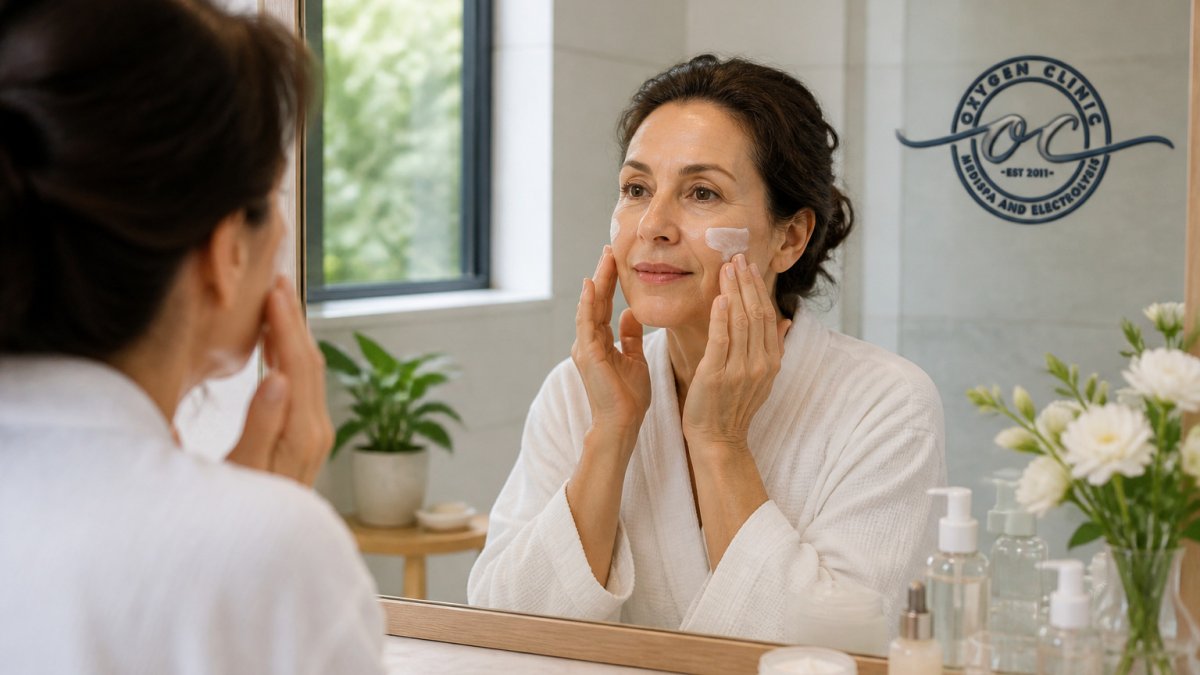
- First 24 hours: redness, warmth, and mild tightness are normal. Keep the skin clean and moisturized with gentle, fragrance-free products.
- Days 2 to 3: redness fades and the skin may feel dry or slightly flaky. Avoid exfoliating, scrubbing, or picking.
- Days 4 to 7: most people can return to their usual routine, but strong actives and sun exposure should wait until the provider clears them.
Sun protection is an important part of caring for your skin after treatment.
Take a photo in the same lighting each day during the first week. It helps you and your provider judge whether redness is settling normally or lingering longer than expected.
Contact a qualified professional promptly if you notice concerning signs such as spreading redness, pus, severe pain, or fever.
Step 4: Follow a Practical Aftercare Routine
Good aftercare supports healing and helps protect your results. Your provider will usually give you specific instructions, but a basic routine often includes:
- Cleanse gently with a mild, fragrance-free cleanser.
- Apply the recommended soothing or hydrating product.
- Use a broad-spectrum sunscreen during the day.
- Avoid picking at the skin or using harsh actives until it heals.
Aftercare for sensitive or mature skin should be simple and gentle. Compare professional treatment with at-home dermarolling before choosing a routine. Introduce stronger products only when your provider approves them.
Booking Your Consultation at Oxygen Facial Clinic
If you are considering microneedling for skin texture after 50, the most useful next step is to book a consultation at Oxygen Facial Clinic.
Book a free consultation to find out whether microneedling is a good fit for your skin.
Frequently Asked Questions
Can microneedling improve skin texture after 50?
Microneedling can help smooth uneven texture in mature skin by creating controlled micro-channels that prompt the skin to renew itself and support collagen production. Texture changes are best judged by comparing photos taken before treatment and after treatment. A consultation at Oxygen Facial Clinic can help you understand whether your skin is a good candidate and what outcome is realistic for your concerns.
How many microneedling sessions are usually needed for skin texture?
Your practitioner can review your goals at consultation and recommend a schedule. Pricing depends on the number of sessions and treatment type, so please contact Oxygen Facial Clinic directly for a current quote.
How long does skin take to recover after microneedling?
Your practitioner will give you specific guidance based on the treatment performed.
Is microneedling safe for mature skin?
Suitability depends on your overall skin health, any medical conditions, and medications you take. Your skin condition should be assessed in person before treatment. Disclose your full health history at consultation so the practitioner can judge whether the treatment fits your situation.


