
Products to Avoid After Electrolysis for Faster Healing


Last Updated: November 24, 2026
Quick Summary
The products to avoid after electrolysis are anything that irritates, dries, or blocks the healing skin in the treated area. That includes perfumed products, alcohol-based toners, retinoids, exfoliating acids, and heavy makeup. Your skin has just been through a controlled injury, and it needs a quiet week, not a busy one.
- Skip fragrance in any form, including natural essential oils like lavender or citrus.
- Wait at least 24 hours before applying makeup, and longer if the area is red or crusty.
- Avoid hot showers, saunas, hot tubs, and strenuous exercise for 24 to 48 hours.
- Keep sunscreen on the treated area daily, since UV radiation can cause lasting dark marks.
- Patch-test new products on your inner forearm for a full day before using them.
Table of Contents
- What products should I avoid after electrolysis?
- What to avoid after electrolysis: a product-by-product list
- Makeup after electrolysis: when concealer and foundation are safe
- Moisturizer after electrolysis: what to look for and what to skip
- How long to wait after electrolysis before using skincare products
- Gentle alternatives and ingredient-label guidance for healing skin
- Expected reactions versus warning signs after treatment
- Booking your electrolysis consultation and aftercare plan
- Frequently Asked Questions
What products should I avoid after electrolysis?
The products to avoid after electrolysis are anything that irritates, dries, or blocks the healing skin in the treated area. That includes perfumed products, alcohol-based toners, retinoids, exfoliating acids, and heavy makeup.
Electrolysis only pays off if the days between sessions go smoothly.
Here is the short version of what to skip:
- Fragrance in any form, including “natural” essential oils
- Alcohol-based products, including isopropyl alcohol and most astringents
- Retinoids and acne medications such as retinol and tretinoin
- Exfoliants, including AHAs, BHAs, and salicylic acid
- Bleaching products and depilatory creams
- Heavy makeup on the treated area for the first day or two
- Heat and sweat, from hot showers to saunas to hard workouts
- Sun exposure and tanning beds
Below, we break down each one, explain why it matters, and show you what to use instead.
Why freshly treated skin reacts differently
Electrolysis works by delivering current to each hair follicle. That damages the follicle so hair stops growing, but it also leaves the skin around it inflamed. This is normal.
Post-treatment care is about protecting healing skin.
If you want a closer look at what normal healing looks like day by day, read our guide to what to expect during electrolysis recovery.
What to avoid after electrolysis: a product-by-product list
| Product type | Why it is a problem | Wait time |
|---|---|---|
| Perfumed products | Fragrance irritates healing skin | Until redness clears, at least 24-48 hours |
| Alcohol-based products | Dries and stings open pores | 24-48 hours |
| Retinoids and acne medications | Thins skin, increases sensitivity | One week |
| Exfoliants (AHAs, BHAs) | Scratches scabs, opens healing skin | One week |
| Bleaching products | Harsh chemicals on sensitive skin | One week |
| Depilatory creams | Dissolve hair and irritate skin | Avoid entirely between sessions |
| Heavy makeup | Traps bacteria, clogs open pores | 24 hours, longer if red |
| Hot showers, saunas, hot tubs | Heat and sweat increase redness | 24-48 hours |
| Strenuous exercise | Sweat and friction irritate skin | 24 hours |
| Sun exposure and tanning beds | UV radiation damages healing skin | One week, then sunscreen daily |
Fragrance, alcohol, and harsh actives
Perfumed products are a frequent cause of irritation after treatment. Fragrance is the most common cause of skin irritation, and it hides in cleansers, moisturizers, body lotions, and even some “sensitive skin” formulas.
Alcohol-based products come next. Isopropyl alcohol and many astringents strip the skin and sting on contact. Skip the toner for a few days.
Harsh skincare products and irritating products in general should stay on the shelf. That means:
- Retinoids and acne medications such as retinol, tretinoin, and adapalene
- Exfoliants, including alpha hydroxy acids (AHAs), beta hydroxy acids (BHAs), and salicylic acid
- Fruit acids and enzyme peels
- Bleaching products and depilatory creams
If your skin is reactive by nature, our guide to electrolysis for sensitive skin goes deeper on which ingredients are safe and which are not.
Heat, sweat, and sun exposure
Heat increases redness, sweat carries bacteria into open pores, and UV radiation is the fastest way to turn a small healing spot into a dark mark that lasts for months.
For the first 24 to 48 hours, skip:
- Hot showers and hot baths
- Saunas and hot tubs
- Sweating from strenuous exercise
- Tanning salons and self-tanner or fake tan on the treated area
After that window, return to normal habits but keep sunscreen on the area daily. Sun protection is not optional during a course of electrolysis treatment.
Makeup after electrolysis: when concealer and foundation are safe
Makeup after electrolysis should wait at least 24 hours, and longer if the area is still red or crusty. Foundation, concealer, and powder can trap bacteria in open pores and slow healing.
When you do go back to makeup, follow these steps:
- Wash your hands before applying anything
- Use clean brushes or sponges, not fingers
- Choose fragrance-free formulas where possible
- Remove it gently at night with a mild cleanser
- Skip heavy coverage on any spot that is still scabbed
A common mistake is rushing back to full coverage for a big event. Book your session with enough lead time to let your skin settle first.
Moisturizer after electrolysis: what to look for and what to skip
Moisturizer after electrolysis should be plain, fragrance-free, and gentle. A simple formula helps the barrier recover; one with acids or perfume will set you back.
Look for:
- Fragrance-free and alcohol-free labels
- Short ingredient lists
- Basic hydrators like glycerin or hyaluronic acid
- A texture that does not sting when applied
Skip anything with perfume, fragrance, alcohol, retinoids, or exfoliants in the first week. That includes many anti-aging creams and most “brightening” products.
Apply moisturizer with clean hands, and pat rather than rub. If a product stings, wash it off with cool water and leave the skin alone for the rest of the day.
How long to wait after electrolysis before using skincare products
Treat the timeline below as general guidance and let your practitioner adjust it for your skin and session intensity.
| Product | Earliest you can usually resume | What to watch for |
|---|---|---|
| Gentle fragrance-free cleanser | Same day, if it does not sting | Stinging or tightness means wait another day |
| Fragrance-free moisturizer | Same day | Apply with clean hands, pat don’t rub |
| Mineral sunscreen | Same day for daytime exposure | Reapply every two hours outdoors |
| Makeup and concealer | 24 hours, longer if red or crusty | Skip any spot that is still scabbed |
| Alcohol-based toner or astringent | 48 hours minimum | Skip entirely if skin still feels tight |
| Hot showers, saunas, hot tubs | 24 to 48 hours | Heat brings back redness |
| Strenuous exercise and heavy sweating | 24 hours | Sweat and friction irritate open follicles |
| Self-tanner | One week, and patch-test first | DHA can sting healing skin |
| AHAs, BHAs, salicylic acid, enzyme peels | One week | Wait until all crusts have shed |
| Retinoids and prescription acne actives | One week, or as your practitioner directs | Prescription actives may need longer |
| Bleaching products and depilatory creams | Avoid entirely between sessions | Depilatories dissolve hair and irritate skin |
| Waxing, threading, plucking in the treated area | Avoid between sessions | These undermine the electrolysis result |
A few principles sit behind that table.
People often rush the actives and baby the cleanser, which is backwards. Your cleanser and moisturizer help the barrier recover, so get back to those first.
Watch out: if a product stings when you reintroduce it, wash it off with cool water and give the area another two or three days before trying again. Stinging is a signal, not a hurdle to push through.
If you are planning a course of sessions, our guide to preparing skin for permanent hair removal covers how to build your routine around appointments so you are not caught off guard.
Gentle alternatives and ingredient-label guidance for healing skin
What to keep on hand instead:
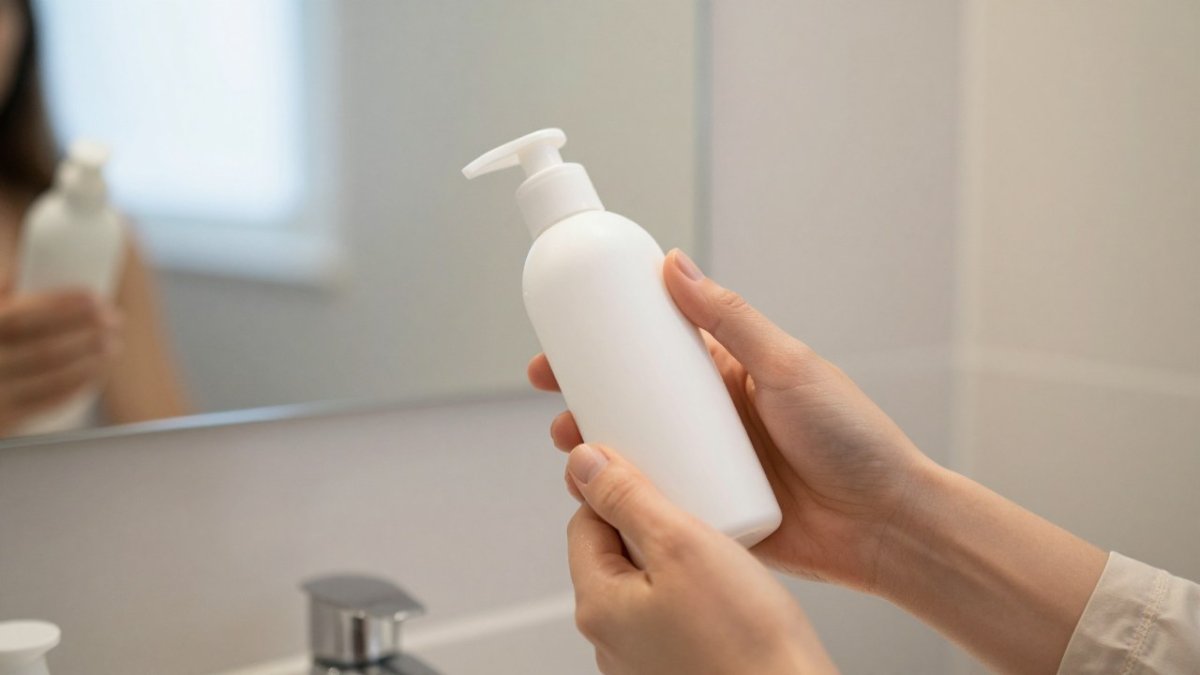
- A mild, fragrance-free cleanser, a cream or lotion cleanser is gentler than a foaming gel
- A basic fragrance-free moisturizer with a short ingredient list
- Cool water compresses for redness
- A mineral sunscreen (zinc oxide or titanium dioxide) for daytime
- Clean hands and a fresh pillowcase
How to read an ingredient list. Ingredients are listed in descending order of concentration, so the first five names tell you most of what you need to know. Scan for these, and put the product back if any of them appear high on the list:
- Fragrance markers: “fragrance,” “parfum,” “aroma,” and named essential oils such as lavender, citrus, peppermint, eucalyptus, and tea tree. “Natural” and “botanical” on the front of the bottle do not mean fragrance-free.
- Alcohol markers: “alcohol denat.,” “isopropyl alcohol,” “SD alcohol,” and “ethanol.” Fatty alcohols such as cetyl and stearyl alcohol are different, they are emollients, not drying alcohols, and are usually fine.
- Acid and exfoliant markers: glycolic acid, lactic acid, salicylic acid, citric acid listed as an active, gluconolactone, and anything labeled a peel or a resurfacing treatment.
- Retinoid markers: retinol, retinal, retinyl palmitate, tretinoin, adapalene, and tazarotene.
- Bleaching and lightening markers: hydroquinone, kojic acid, arbutin, and “brightening” or “whitening” claims on the front of the bottle.
What “fragrance-free” and “alcohol-free” actually mean. These labels are useful but not guarantees.
Patch-test before you commit. Apply a small amount to your inner forearm and wait a full day.
Watch out: a product that worked fine before electrolysis can still sting on freshly treated skin, so patch-test even formulas you already own.
If your skin is reactive by nature, our guide to electrolysis for sensitive skin goes deeper on which ingredients are safe and which are not.
Expected reactions versus warning signs after treatment
Some skin irritation after electrolysis is normal. Redness, mild swelling, and small scabs are part of healing skin. They usually settle within a day or two.
Expected reactions:
- Redness around each follicle
- Mild swelling that fades within hours
- Tiny crusts or scabs
- Slight tenderness when touched
Warning signs to call us about:
- Spreading redness or warmth
- Pus or a foul smell
- Pain that gets worse instead of better
- A rash or hives after using a product
If you used a product by accident, wash it off with cool water right away. Do not scrub. Then leave the skin alone and watch it for a day. Most mild reactions settle on their own.
Booking your electrolysis consultation and aftercare plan
The best aftercare plan is the one built for your skin. We use specialized electrolysis techniques and professional-grade skincare. Personalized home care routines are based on professional skin analysis.
When you are ready to start, book a free consultation and we will map out your sessions and aftercare together. If you are planning a full course of treatment, you can also review our treatment packages before you commit.
The gap between a good electrolysis result and a disappointing one often comes down to what happens between appointments. If you are tired of guessing which products to avoid after electrolysis, let us take the guesswork out of it.
Frequently Asked Questions
Can I use deodorant after underarm electrolysis?
Wait at least 24 hours before applying deodorant to treated underarm skin. Many deodorants contain fragrance, alcohol, and aluminum salts that can sting open pores and slow healing. If you need coverage sooner, choose a fragrance-free, alcohol-free deodorant and apply it lightly. If you notice redness, itching, or scabbing after use, stop applying it and let the area rest. Your electrologist can advise on the right timing based on your skin sensitivity and the density of hair treated.
What should I put on my skin after electrolysis?
Keep it simple: cool water, a mild fragrance-free cleanser, and a thin layer of plain moisturizer or a soothing gel designed for sensitive skin. Avoid anything with perfume, alcohol, retinoids, exfoliating acids, or bleaching agents. If your skin feels hot or tight, a cool compress for a few minutes can help. Follow the specific aftercare instructions your electrologist provides, since they know your skin and treatment intensity.
When can I return to my normal skincare routine?
Most people can return to a gentle version of their normal routine within 24 to 48 hours, once redness and sensitivity settle. Wait about one week before reintroducing active ingredients like retinoids, AHAs, BHAs, salicylic acid, or vitamin C. If you use prescription acne medications or bleaching products, ask your electrologist or dermatologist before resuming. Reintroduce one product at a time and watch for irritation. If a product stings or causes new redness, stop and wait a few more days.
What happens if I accidentally use a product I was told to avoid?
Don’t panic. Gently rinse the area with cool water and pat dry with a clean towel. Skip any other products for the rest of the day and avoid touching or picking at the skin. Mild redness or stinging usually settles within a few hours. If you develop spreading redness, swelling, blistering, or pus, contact your electrologist or a healthcare provider. Bring the product label with you so they can identify the ingredient that caused the reaction and adjust your aftercare plan.

